 Best

Best Blackout Curtain Liners
A blackout liner adds darkness behind curtains you already own, without replacing them. This guide sorts the attachment types, the measuring, and the gap sealing by job.
The best blackout curtain liner is the one that matches how your existing curtain hangs, because a liner only works when it moves with the curtain, covers the same glass, and closes the same gaps. A clip-on liner suits rings and hooks you already have, a rod-pocket liner suits a plain rod, and a separate-rod liner suits sheers you want to keep sheer by day. Match the attachment first.
A blackout liner is a separate light-blocking panel that hangs behind a curtain you already own, so the curtain keeps its daytime look and the liner adds the night job. It costs less than replacing the curtains, and it turns a sheer or a light-filtering panel into a dark room at night. This guide sorts the attachment types, the measuring that makes a liner match its curtain, the gap sealing that turns a dark panel into a dark room, and the limits a liner cannot cross.
Blackout liner picks by job
A full blackout liner suits renters and curtains you do not want to replace, a thermal liner suits cold or sun-facing windows, and a sheer-keeping liner suits sheers you want to keep sheer by day. The picks are grouped by the lining job, not by brand. Check the attachment, the finished length, the panel width, and the care label on the listing.
As an Amazon Associate, we earn from qualifying purchases.
| Pick | Type | Attachment | Best for |
|---|---|---|---|
| 1 | Central Park Full Blackout Window Curtain Liner Panels | Clips and rings onto existing rings or hooks | Renters and curtains you do not want to rehang |
| 2 | NICETOWN White Blackout Curtain Liners | Rod pocket on the same rod | Most existing curtains on a plain rod |
| 3 | Eclipse Solid Minimalist Blackout Thermal Liners | Hooks or loops onto rings or pleats | Pinch-pleat and ring-top curtains |
| 4 | Rose Home Fashion Thermal Insulated Blackout Curtain Liners | Rod pocket, with a thermal backing | A cold or sun-facing window |
| 5 | NICETOWN Blackout Curtain Liners for Sheer Curtains | Ring hang, wide panels | Wide windows and sliding doors |
| 6 | KGORGE Blackout Thermal Insulated Curtain Liners | Own rod behind the curtain rod | Sheers you want to keep sheer by day |
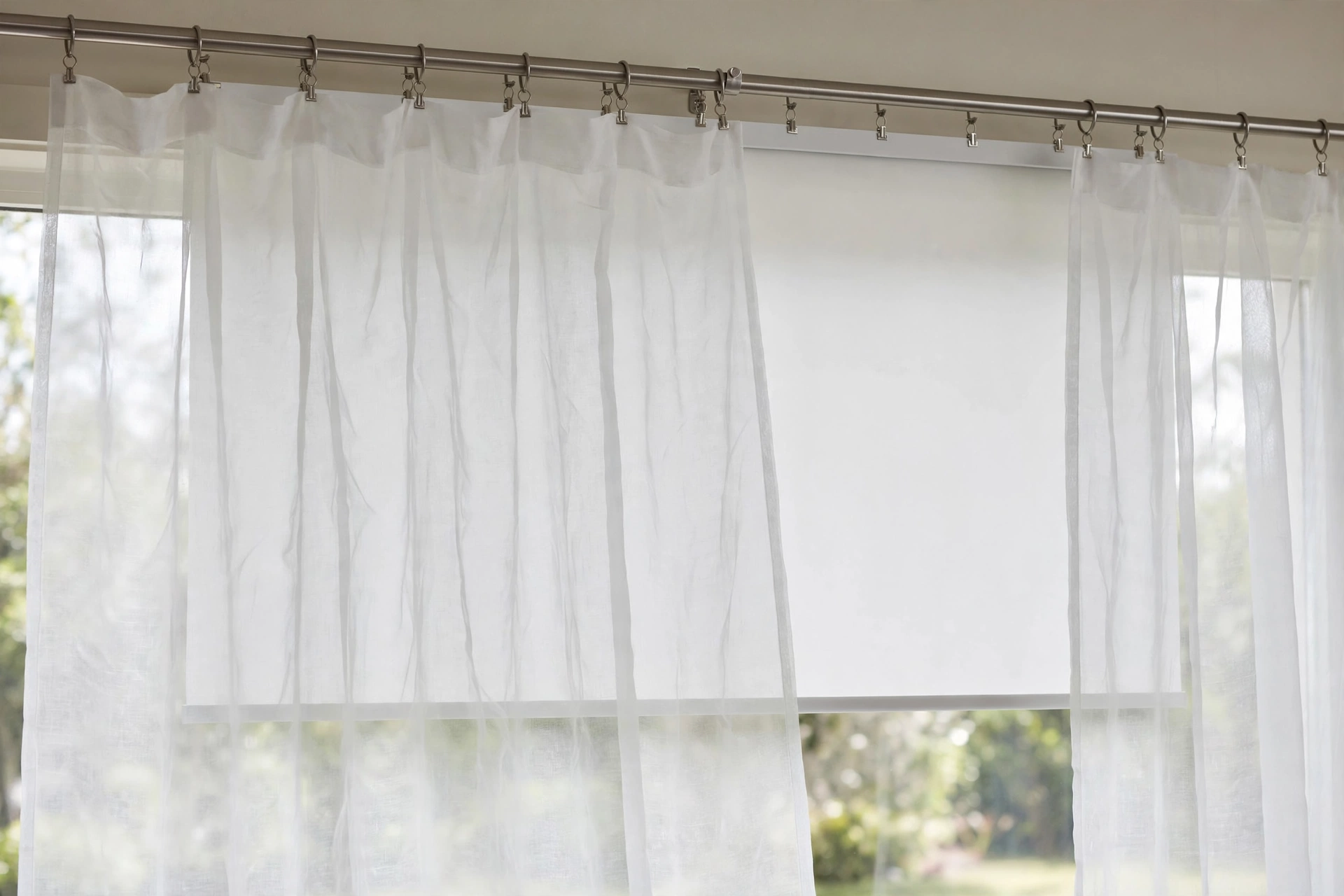
1. Central Park Full Blackout Window Curtain Liner Panels: best for renters and curtains you do not want to rehang
- Best for: A rented home, or curtains that are hard to take down, where the liner must go up without touching the rod or the wall.
- Key features: Clips that fasten to existing rings or hooks, no second rod needed, liner hangs behind the curtain, easy to take down.
- Pros: Fastest fit of any liner type, no drilling and no rehanging, easy to remove for washing or moving out.
- Cons: Clips must suit the ring or hook size on your curtain, so check before ordering, a clip-on liner follows the curtain folds, so it needs the curtain to close fully.
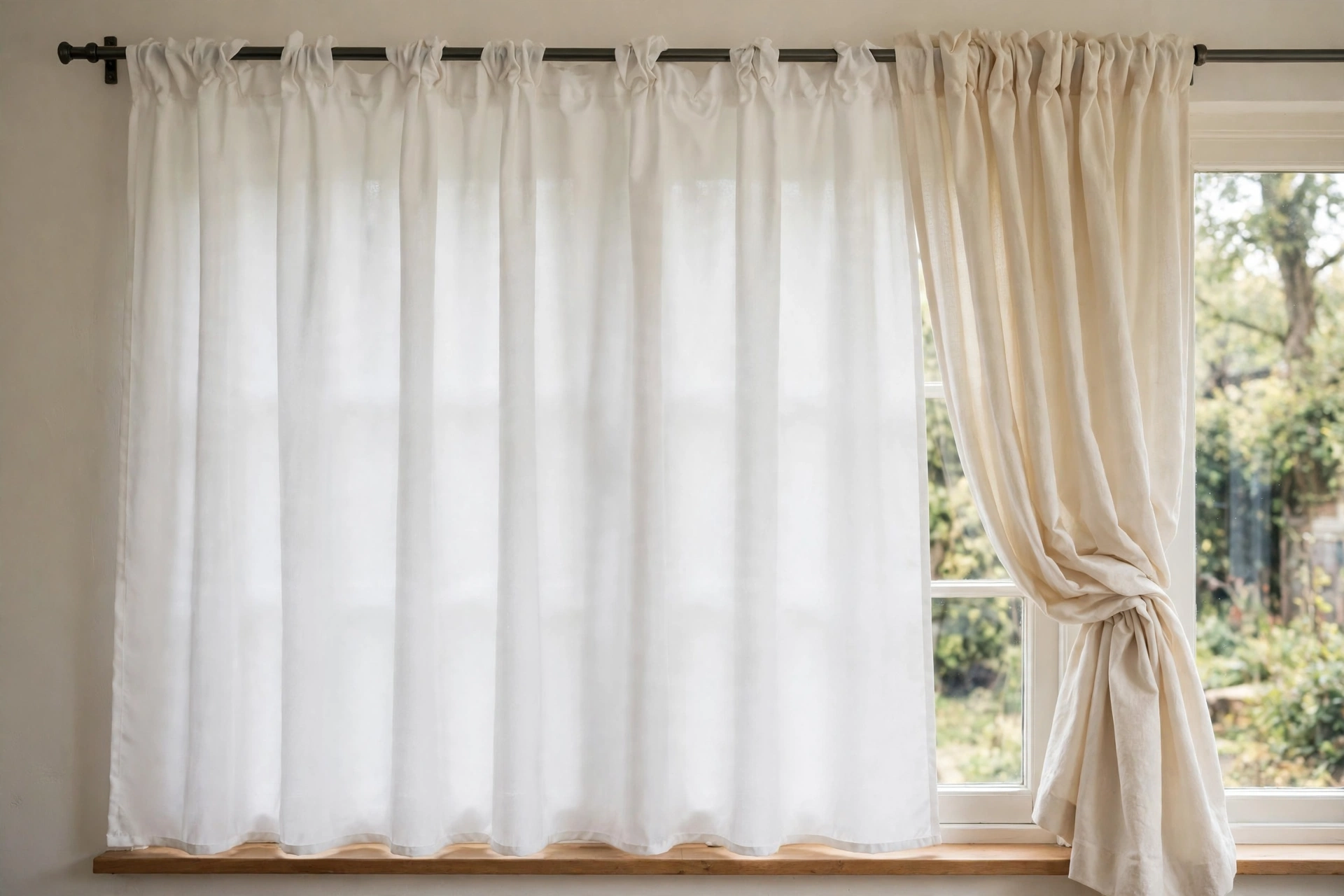
2. NICETOWN White Blackout Curtain Liners: best for most existing curtains on a plain rod
- Best for: The common case, a curtain already on a plain rod, where the liner can share the rod behind the curtain.
- Key features: Rod pocket that slides onto the same rod, liner hangs behind the curtain, plain white or off-white face, simple fall.
- Pros: The simplest and most widely listed liner type, no extra hardware, the liner and curtain draw together.
- Cons: Sharing one rod adds weight to it, so check the rod rating, a rod-pocket liner slides less freely than a ring-top liner.
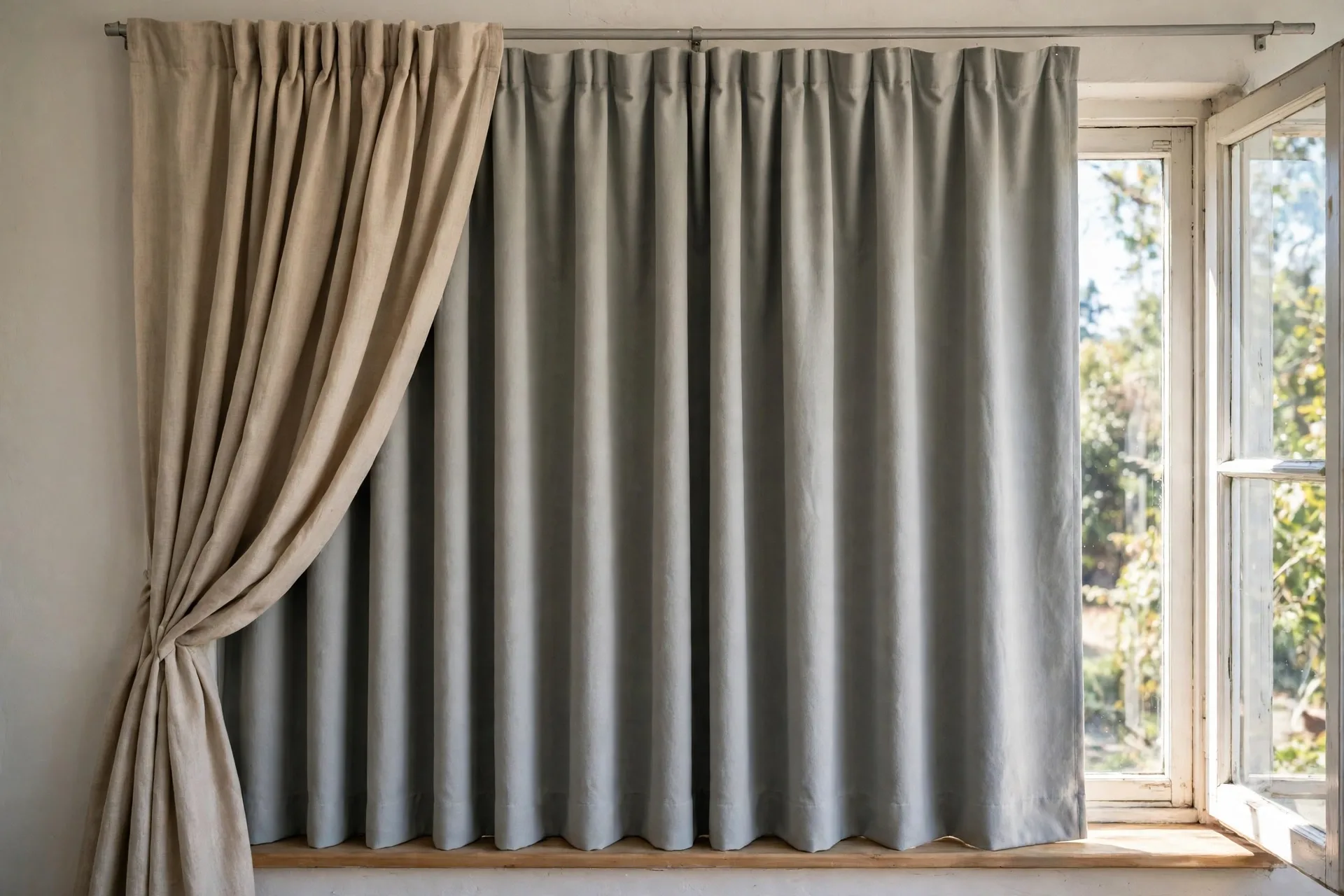
3. Eclipse Solid Minimalist Blackout Thermal Liners: best for pinch-pleat and ring-top curtains
- Best for: Pleated or ring-top curtains, where the liner must hang from the same rings or hooks as the curtain, fold for fold.
- Key features: Hooks or loops that fasten to the curtain rings or pleat hooks, liner follows the curtain heading, neat fold match.
- Pros: The liner folds line up with the curtain folds, so it stacks neatly, suits tailored headings better than a plain rod pocket.
- Cons: The hook or loop size must match your curtain hardware, so check before ordering, more fiddly to fit than a rod-pocket liner.

4. Rose Home Fashion Thermal Insulated Blackout Curtain Liners: best for a cold or sun-facing window
- Best for: A window that is cold in winter or hot in summer, where darkness alone is not the whole job.
- Key features: Blackout face with a thermal backing, rod-pocket hang, denser and heavier fall than a plain liner.
- Pros: Adds warmth help in winter and heat help in summer alongside darkness, suits cold windows and sun-facing rooms.
- Cons: Heavier than a plain liner, so the rod and brackets must suit the combined weight, follow the care label for the backing.
5. NICETOWN Blackout Curtain Liners for Sheer Curtains: best for wide windows and sliding doors
- Best for: A wide window, a patio door, or a sliding door, where standard liner panels would leave a gap in the middle.
- Key features: Two wide panels, 50 inches each, that cover a broad span, ring hang, full closed coverage across the width
- Pros: Covers wide glass without a center gap, suits doors where the liner must draw clear of the handle.
- Cons: Wide panels stack wider when open, so leave stack space at each end, heavier total load, so check the rod rating.
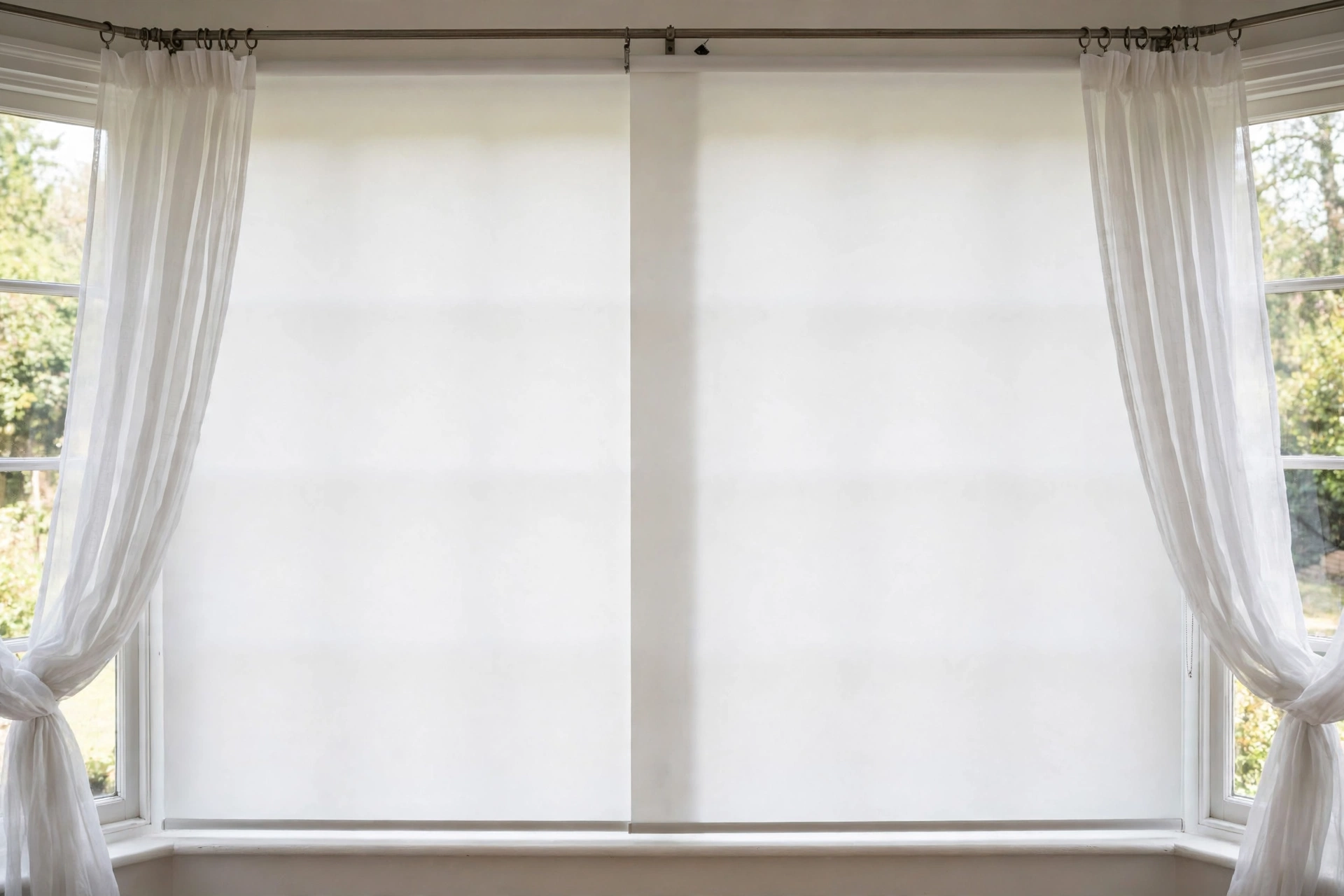
6. KGORGE Blackout Thermal Insulated Curtain Liners: best for sheers you want to keep sheer by day
- Best for: A sheer window where the daytime look must stay sheer and light, with darkness only at night.
- Key features: Liner on its own rod behind the curtain rod, liner draws on its own, sheer stays in place by day, hooks included, 50 by 92 inches per panel, thermal-insulated
- Pros: The sheer keeps its daytime job untouched, the liner draws only at night, each layer moves on its own without dragging the other.
- Cons: Needs a second rod and anchor points, the two rods need enough wall depth to clear each other.
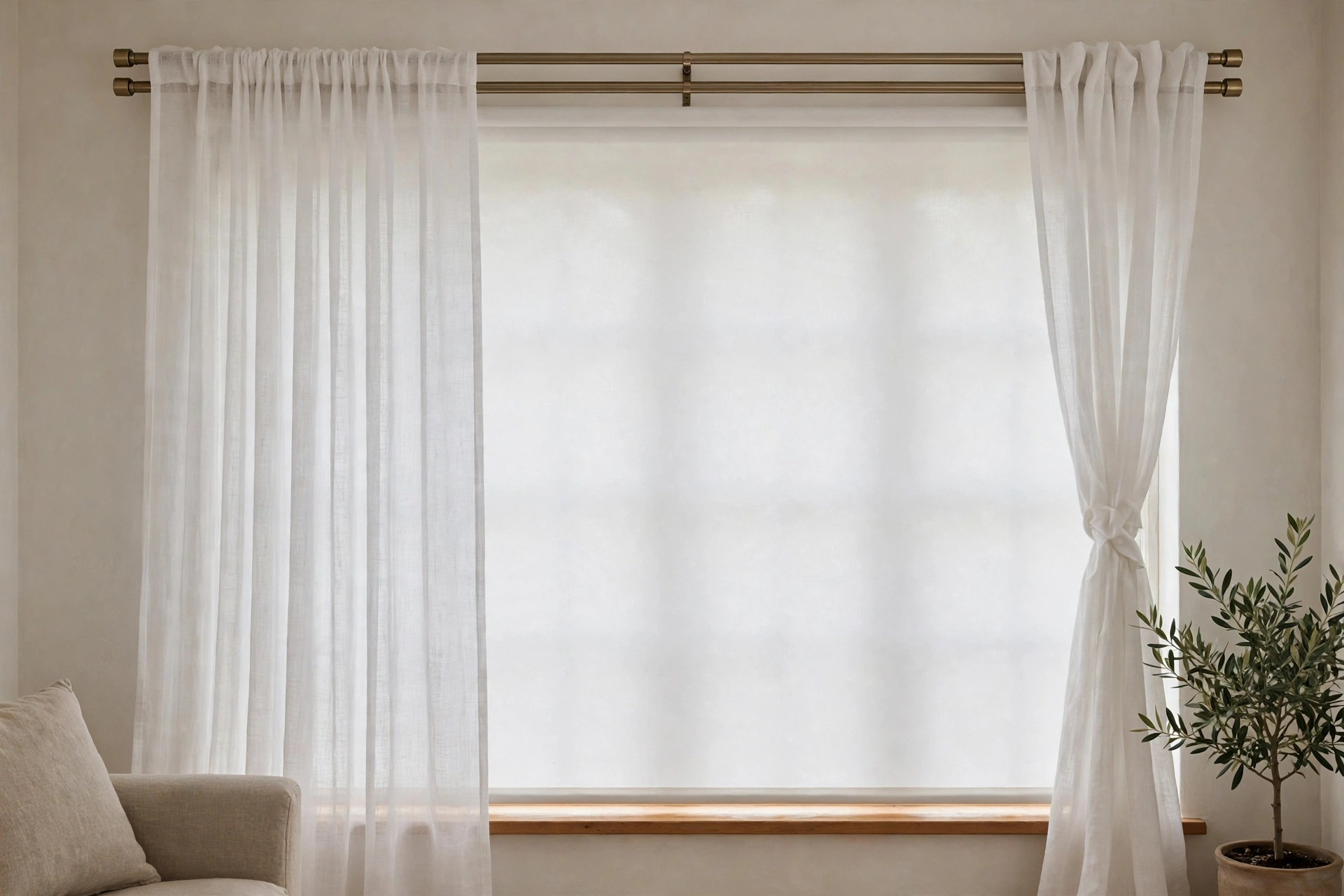
What a blackout liner is and what it is not
A blackout liner is a separate panel of dense, light-blocking fabric that hangs behind an existing curtain and gives that curtain a blackout job it did not have. It is not a curtain on its own: it has no decorative face meant to be seen, and it is made to sit behind the curtain, not in front of it. It is also not the same as a sewn-in blackout lining, which is built into a curtain at the factory and cannot be moved to another panel; a liner is an add-on, bought on its own, and can move to another curtain or another room.
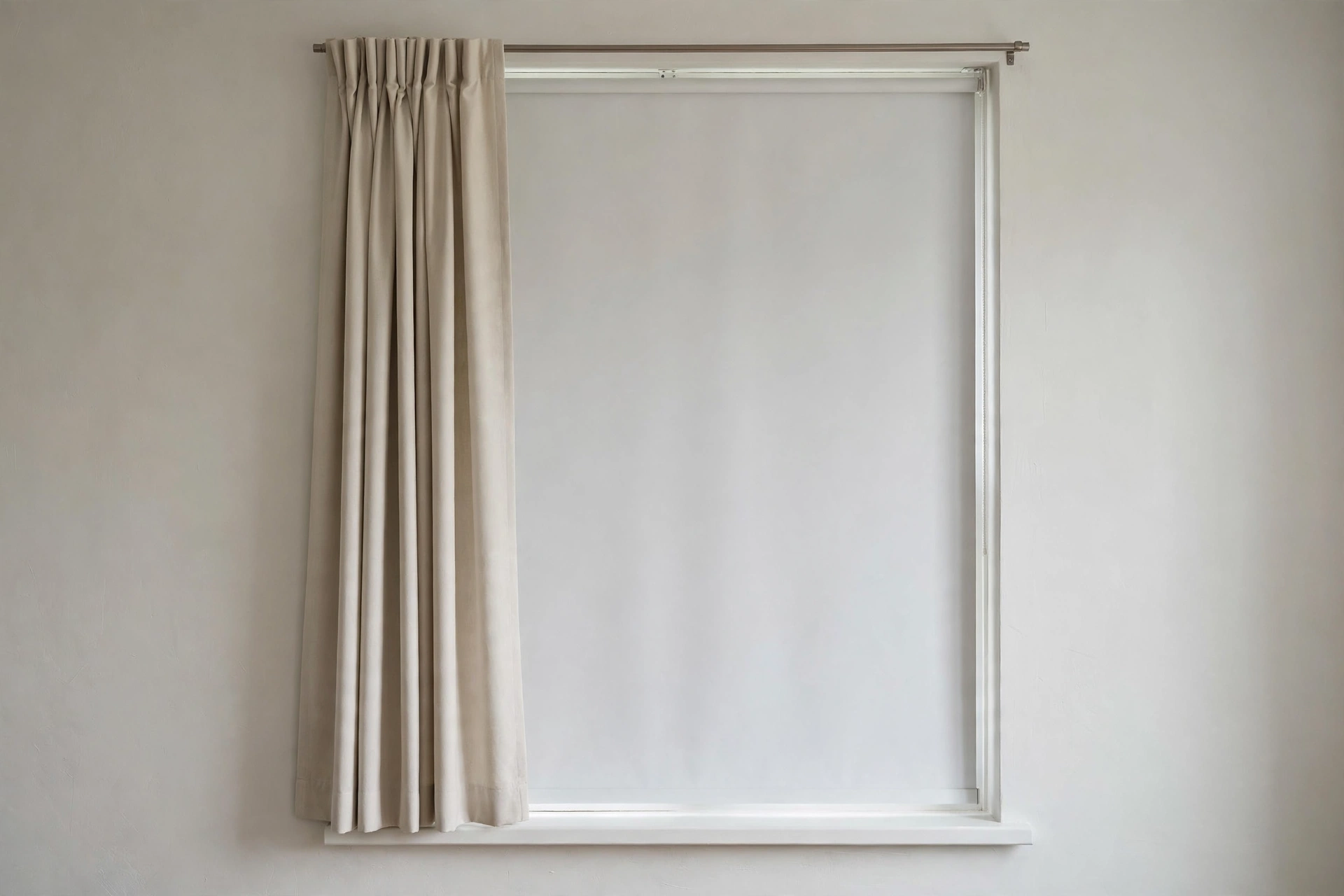
A liner is not a promise of total darkness by itself, either. The liner blocks light through the fabric, but light still leaks around the edges, at the sides, at the top, and through the center gap where two panels meet, and that leak is a hanging problem, not a fabric problem. A liner also does not fix a curtain that is too narrow for its window. For the full darkness job with panels made for it, see Best Blackout Curtains.
Facing color changes the job: a white facing reflects light and gives a clean street-side look, while a black facing gives the maximum dark-room effect.
Most liners block nearly all light through the fabric; what gets in is usually edge leak, which is a hanging problem, not a fabric problem.
Liner attachments in plain words
A clip-on liner fastens to the rings or hooks your curtain already uses, with clips spaced along its top hem, so it hangs behind the curtain without touching the rod. It suits renters and curtains that are hard to take down, and it comes down as fast as it goes up. A rod-pocket liner slides onto the same rod as the curtain, through a pocket sewn along its top edge, so the liner and the curtain share one rod and draw together. It is the most widely listed type, and suits plain rods best.

A hook-loop liner fastens to the curtain rings or pleat hooks with hooks or loops of its own, so it follows the curtain heading fold for fold, which suits pinch-pleat and ring-top curtains better than a plain pocket. A separate-rod liner hangs on its own rod behind the curtain rod, so it draws on its own and leaves the curtain free to stay sheer by day. Whichever attachment you choose, the liner must match the curtain heading, because a liner on the wrong attachment bunches or drags.
Clip-on liners can be trimmed with scissors to fit, which suits a face curtain that falls between standard liner lengths.
Check there is enough clearance behind the curtain for the extra fabric, so opening and closing stays smooth and the liner does not bunch the face curtain.
How to measure for a liner that matches your curtain
Measure for a liner from the curtain, not from the window, because the liner must match what the curtain already covers. Start with the curtain's finished length, from the rod or the heading point to the hem, and match the liner to that length, or a touch shorter, so the liner does not peek below the curtain hem. Then measure the total curtain width when closed, across all panels, and match the liner width to it.
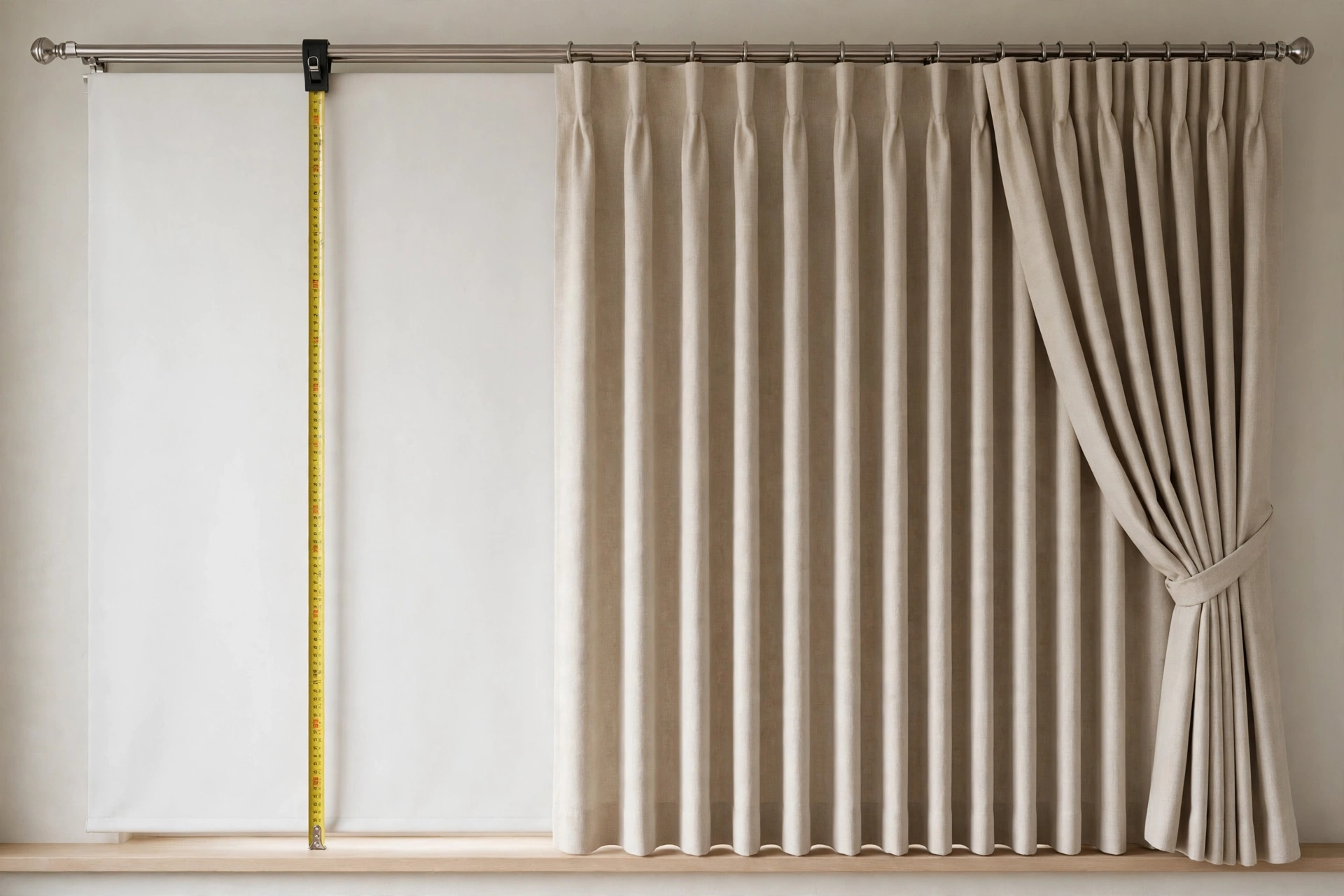
Next, check the rod: whether it is a plain rod, a ring rod, or a double rod, and whether it has room for the liner's weight and bulk alongside the curtain. A rod already near its load limit with heavy curtains will sag once a liner joins it, so check the rod rating and add a center support on a wide span where needed. Finally, check the stack space: the liner adds bulk to the open stack, so leave rod past the frame for the combined stack. For measuring steps, see How to Measure for Curtains.
A liner should sit a few inches shorter than the face panels, so it hides behind them and stays discreet instead of peeking below the hem.
Closing the gaps at the sides, top, and center
A liner blocks light through the fabric, but a dark room needs the gaps closed too, and the gaps are where most liner rooms fail. The side gaps close when the rod runs past the frame on each side, so the closed panels overlap the frame instead of stopping at its edge. The top gap closes when the rod sits close to the wall and the liner hangs from the same height as the curtain. The center gap, where two panels meet, closes when the panels overlap by a little in the middle, or when a single wide panel covers the span. For rod placement, see How to Hang Curtains.
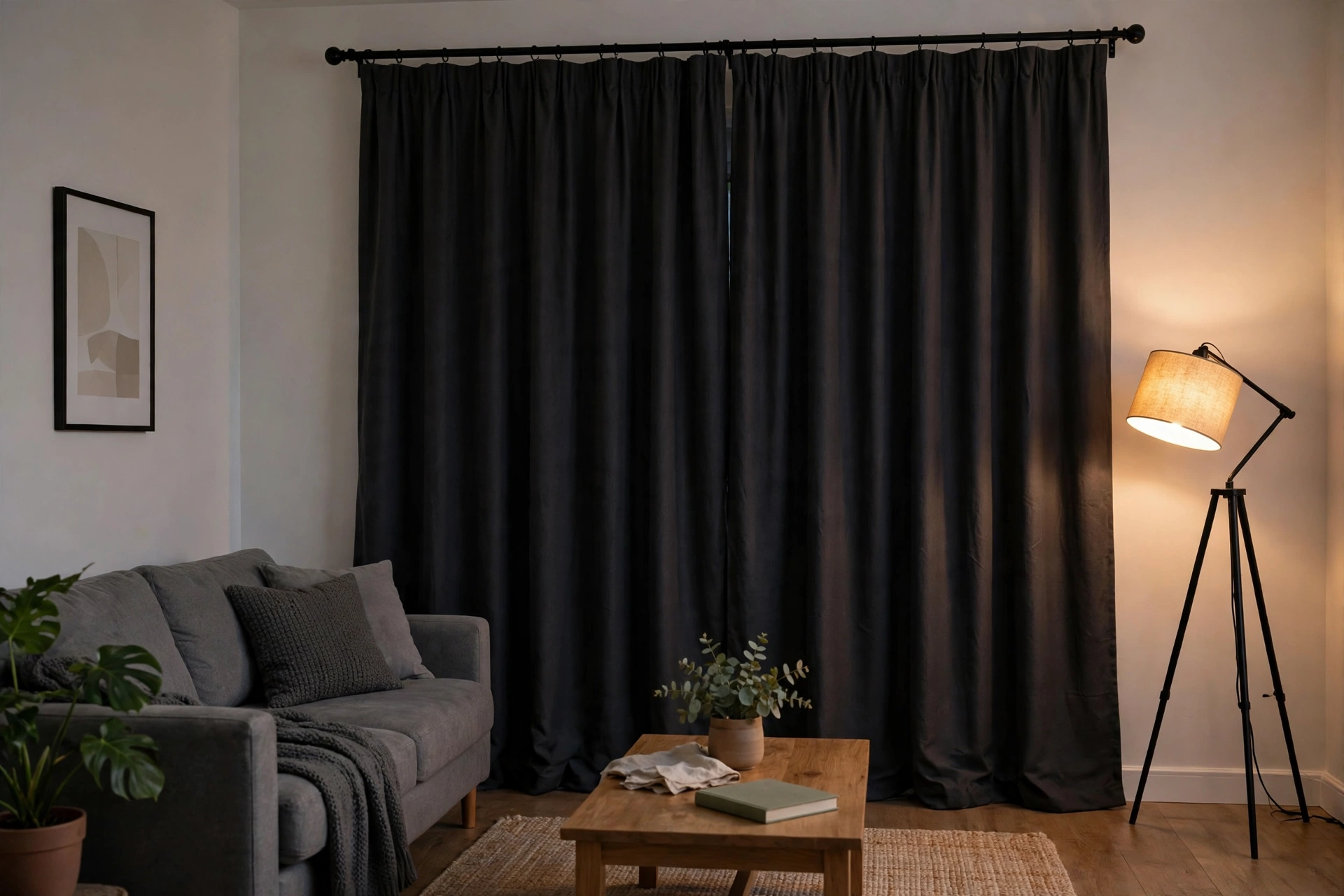
Where the frame still leaks, a return helps: a panel that turns back to the wall at each end, or a side panel that covers the return gap. For a bedroom or a nursery where darkness matters most, these gap fixes matter as much as the liner fabric, because a bright strip at the edge wakes a sleeper as surely as a thin panel does. For room-wide bedroom advice, see Best Curtains for Bedroom. Check the gaps at night with the room lights off, because daylight hides gaps that night light finds at once.
Seal the side gaps with foam weatherstripping or blackout tape along the frame sides, and overlap the liner 2 to 3 inches onto the wall at each side, so light cannot slip around the edge.
Warmth, sound, and the limits of what a liner adds
A blackout liner adds some warmth help, because a dense panel behind the curtain slows heat loss at the glass and softens cold air, and a thermal-backed liner adds more than a plain one. It does not insulate a window the way a sealed unit does, and it does not fix a leaking frame on its own; the frame and the sill still leak air around the liner. A liner also softens sound a little, because its weight and density absorb echo, but it does not soundproof a window, and gaps at the sides and top leak sound the way they leak light.
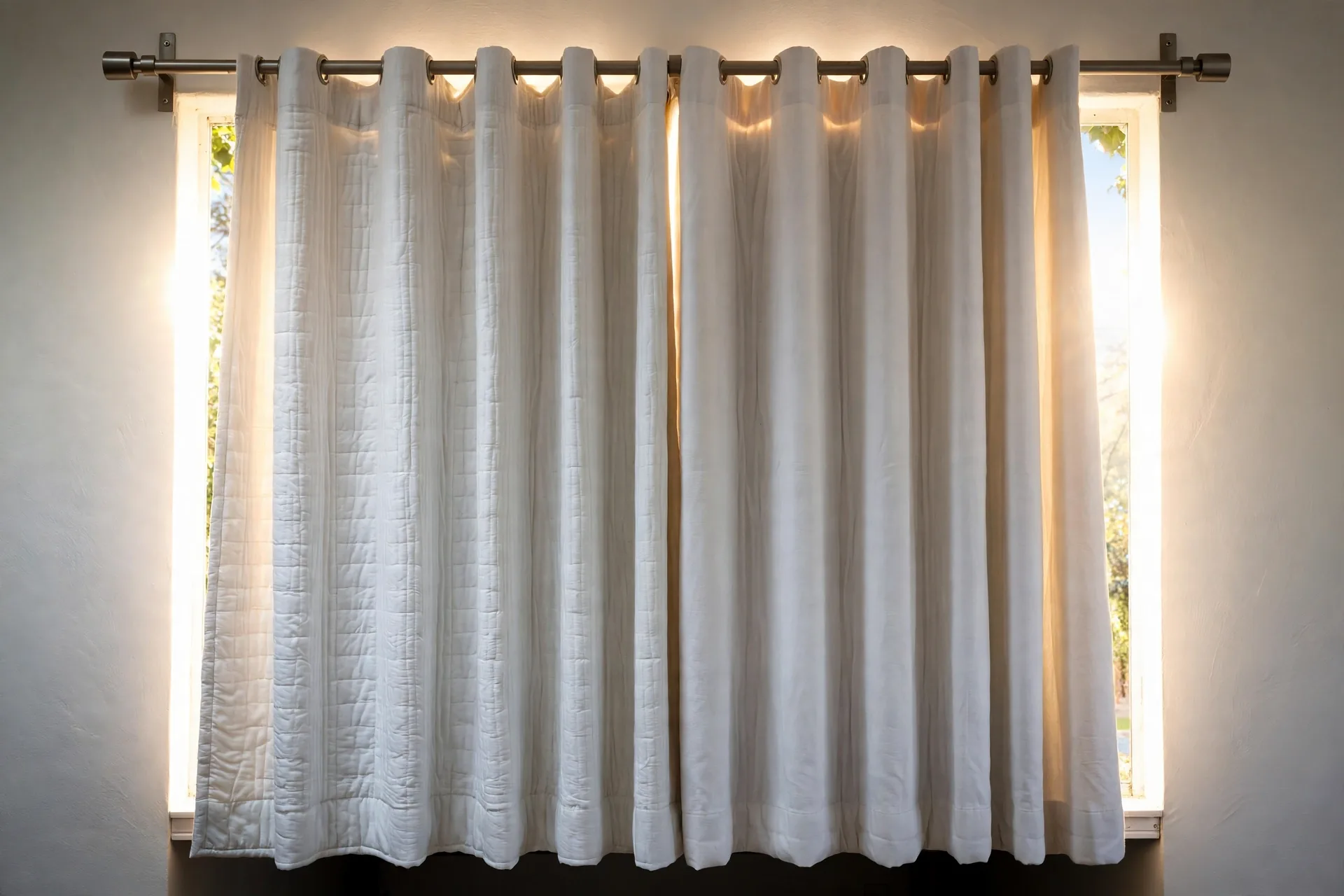
The honest limit is this: a liner is a darkness product with warmth and sound as side benefits, not a warmth or sound product. If warmth is the main job, a thermal-lined curtain or a lined panel made for the job suits it better, and for the full warmth job, see Best Thermal Insulated Curtains. If silence is the main job, no curtain or liner gives it. Buy a liner for darkness, and treat warmth and sound as welcome extras.
Liners with sheers, velvets, and panels you already own
A liner suits a sheer best on a second rod, because the sheer keeps its daytime job untouched and the liner draws only at night. For the sheer job in full, see Best Sheer Curtains. A liner on the same rod as a sheer also works, but the two layers draw together, and the sheer loses its solo daytime look. A liner suits a velvet or a heavy panel on the same rod only where the rod rating allows it, because the combined weight is the heaviest load a household rod carries.
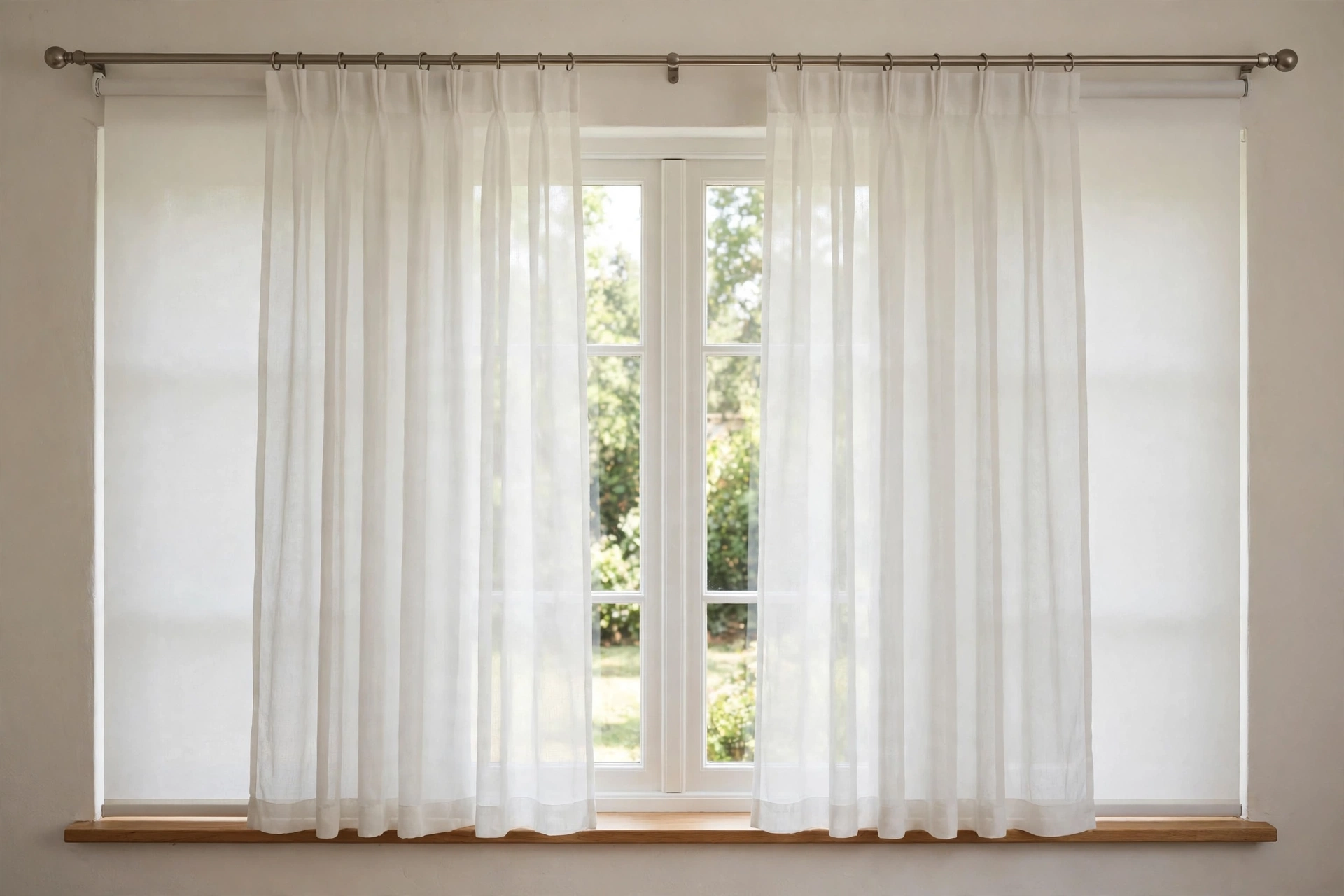
A liner suits a light-filtering or room-darkening panel well, because the liner adds the night job the panel lacked. A liner suits a panel with a sewn-in lining least, because a second layer adds weight and bulk for little extra darkness. In every case, the liner face should sit toward the glass and the curtain face toward the room, so the room still sees the curtain it was chosen for.
Washing and caring for liners without harming the backing
Wash a liner by its care label, not by habit, because the backing is the part that does the work and the part most easily harmed. A plain dense-weave liner usually washes on a gentle cycle in cool water with a mild detergent, and dries best hung back up while slightly damp. A thermal-backed liner needs gentler care, because heat and harsh cycles can crack or peel the backing, and some ask for dry cleaning only, so the label is the rule.
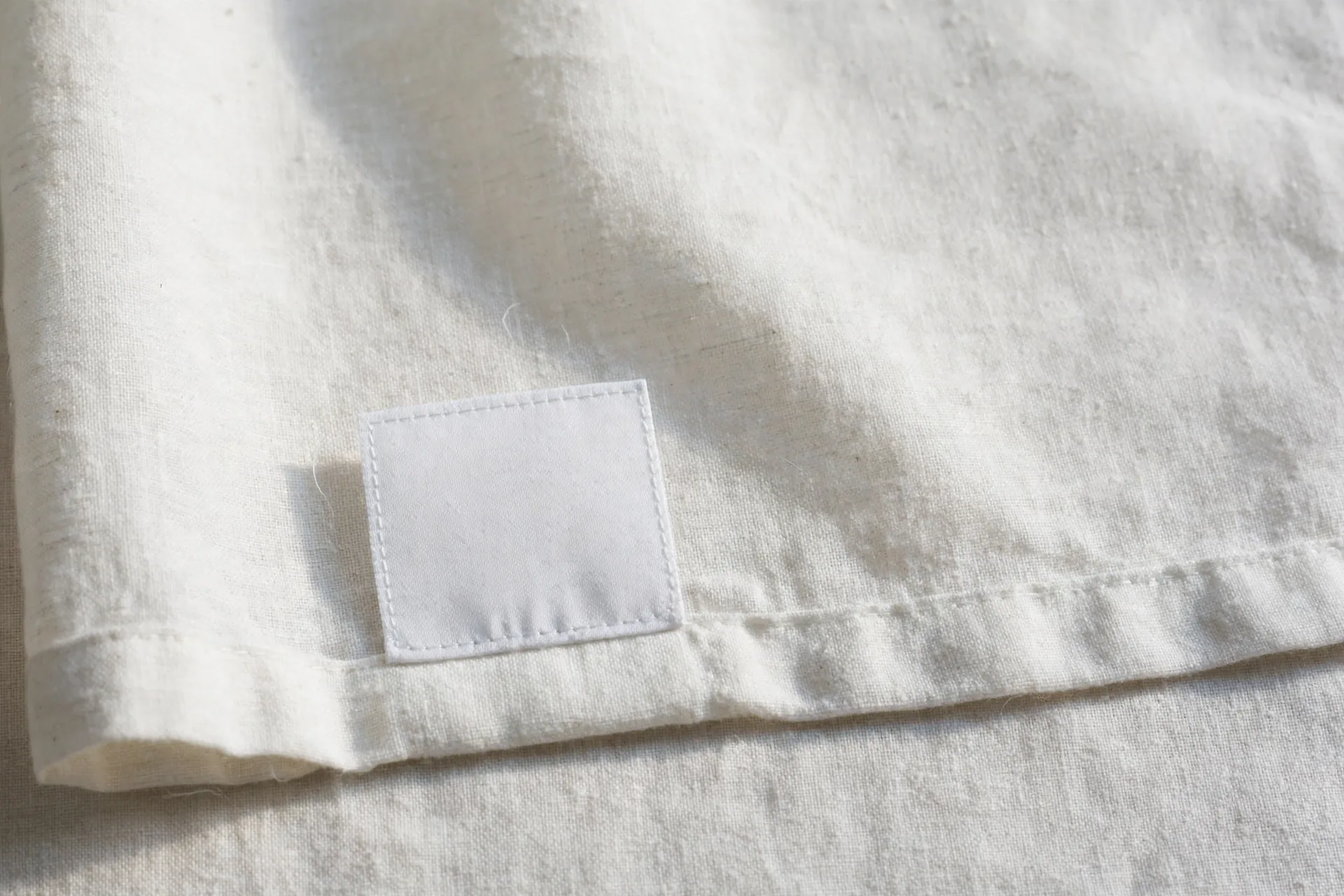
Never tumble a liner on high heat, because the tight weave shrinks, and a liner that shrinks leaves glass uncovered at the hem and the sides. Never iron a coated or foam-backed liner directly, because heat can melt or mark the backing. Between washes, vacuum the liner gently with a soft brush head, and keep it fully dry before drawing it closed for the night.
Wash both curtains and liner before installation to avoid later shrinkage, and note that foam-backed thermal liners may be dry-clean only to protect the foam layer.
Liner mistakes that leave light in the room
The most common liner mistake is ordering the liner to the window instead of to the curtain, so the liner ends up shorter or narrower than the curtain it must sit behind, and glass shows at the hem or the sides. The second is ignoring the rod rating, so the combined curtain and liner sag, and the sag opens gaps at the center and the top. The third is trusting the liner fabric alone, with no gap sealing, so the room stays bright at the edges even though the fabric itself blocks light well.
Other mistakes follow from the wrong attachment: a rod-pocket liner on a ring rod that cannot slide it, and a clip-on liner whose clips do not fit the rings. A further mistake is washing a thermal-backed liner on a hot cycle, which harms the backing. Each of these is avoidable at the measuring and label stage.
When a liner is the wrong fix
A liner is the wrong fix where the curtain itself is worn out, because a liner behind a torn or faded panel saves the darkness and keeps the worn look. It is the wrong fix where the curtain is too narrow for the window, because a liner cannot cover glass the curtain does not cover. It is the wrong fix where the rod is already at its load limit, because the added weight will sag the rod and open gaps.
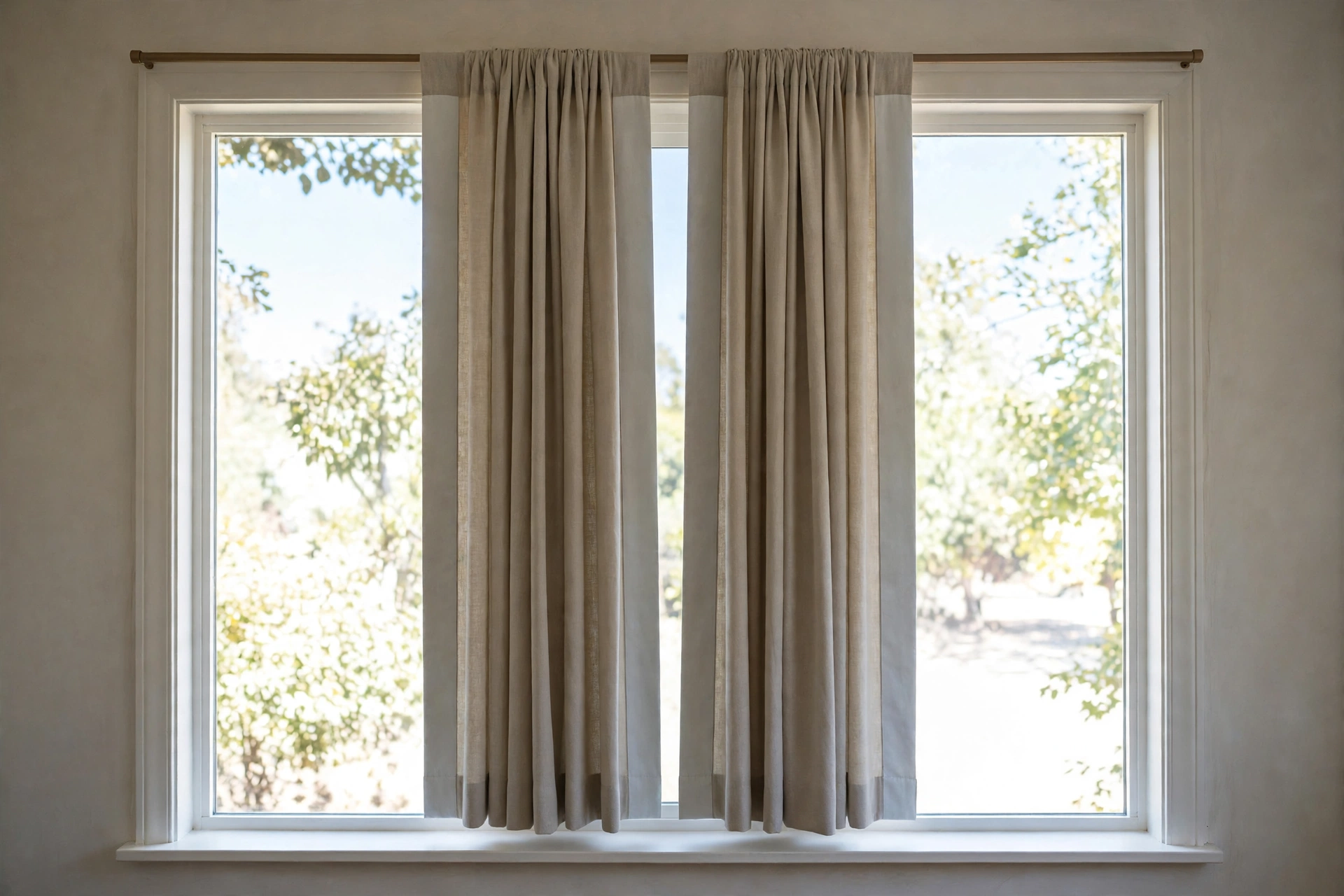
A liner is also the wrong fix where the window needs a different treatment altogether, such as a skylight, a very wide sliding door with no rod line, or a window that needs a blind for per-pane control. In those cases a blackout roller shade, a lined panel made for the job, or a shade plus side panels suits the window better. A liner earns its place where the curtain is good, the rod is sound, and only darkness is missing.
Frequently asked questions about blackout curtain liners
Most liner questions come down to attachment, measuring, and gaps, and to what a liner cannot do.
What is a blackout curtain liner?
A blackout curtain liner is a separate light-blocking panel that hangs behind an existing curtain and gives that curtain a blackout job it did not have. It sits toward the glass, the curtain sits toward the room, and the curtain keeps its daytime look while the liner adds darkness at night.
Do blackout curtain liners work without replacing curtains?
Blackout curtain liners work without replacing curtains, and that is their whole point. The liner hangs behind the curtain you already own, on the same rod, on clips, or on a second rod, and the curtain stays in place. They suit renters, custom panels, and rooms where the curtain is good and only darkness is missing.
How do you attach a blackout liner to existing curtains?
Attach a blackout liner by matching its attachment to your curtain heading: clips fasten to existing rings or hooks, a rod pocket slides onto the same rod, hooks or loops fasten to rings or pleat hooks, and a separate-rod liner hangs on its own rod behind the curtain rod. The attachment must suit the heading, or the liner bunches and drags.
What size blackout liner do I need?
Size a blackout liner to the curtain, not to the window: match the liner length to the curtain finished length, or a touch shorter so it does not peek below the hem, and match the liner width to the total curtain width when closed. Check the listing for panel width and count.
Do blackout liners block all light?
Blackout liners block light through the fabric, but they do not block all light on their own, because light leaks at the sides, at the top, and through the center gap where panels meet. Close those gaps with a rod past the frame and overlapping panels, and the room gets dark.
Are blackout curtain liners washable?
Most blackout curtain liners are washable, but the care label on your liner is the rule. A plain dense-weave liner usually washes on a gentle cycle in cool water, while a thermal-backed liner needs gentler care and some ask for dry cleaning only. Never tumble a liner on high heat, because the tight weave shrinks.
Do blackout liners help with heat and noise?
Blackout liners help a little with heat and noise, because a dense panel slows heat loss at the glass and softens echo, and a thermal-backed liner helps more. They do not insulate a window or soundproof it, so buy a liner for darkness and treat warmth and sound as welcome extras.
Can you use a blackout liner with sheer curtains?
A blackout liner works well with sheer curtains, best on a second rod behind the curtain rod, so the sheer keeps its daytime job and the liner draws only at night. On the same rod the two layers draw together, and the sheer loses its solo daytime look.
Clip-on or rod-pocket liner: which is better?
A clip-on liner is better where the curtain must stay up, as in a rented home, because it fastens to existing rings or hooks with no rod work. A rod-pocket liner is better where the curtain is already on a plain rod, because it is simpler, more widely listed, and draws with the curtain. Match the attachment to the heading you already have.
For other curtain types, see Best Window Curtains.
This guide is research-based curation: we compared maker specifications, published reviews, and current prices. Read how we choose.